
Medically reviewed by Falen Miles, MD, Board Certified in Family Medicine at HealthTexas
High blood pressure is one of the most common conditions we see, and one of the easiest to miss. It rarely causes symptoms, which is why it is often called the silent condition. Nearly half of American adults have high blood pressure, and many do not know it.
The good news is that it is very manageable. With a few steady changes and a primary care team in San Antonio that keeps an eye on your numbers, most people can bring their blood pressure into a healthy range and keep it there. This guide covers what your numbers mean, the daily habits that make the biggest difference, and how your primary care team helps you stay on track.
Become Our Patient
Already a patient? Visit the patient portal
Know Your Numbers
Blood pressure is written as two numbers, systolic over diastolic, measured in mmHg. The systolic number is the pressure when your heart beats, and the diastolic is the pressure when it rests between beats. Here is how the American Heart Association groups them.
| Category | Systolic (top number) | Diastolic (bottom number) |
|---|---|---|
| Normal | Less than 120 | and less than 80 |
| Elevated | 120 to 129 | and less than 80 |
| High, Stage 1 | 130 to 139 | or 80 to 89 |
| High, Stage 2 | 140 or higher | or 90 or higher |
| Hypertensive crisis | Higher than 180 | and/or higher than 120 |
One high reading does not mean you have high blood pressure. Your doctor looks at your readings over time before making a diagnosis, which is one more reason regular checkups matter.
Lifestyle Changes That Lower Blood Pressure
For many people, everyday habits do most of the work. These are the changes with the strongest evidence behind them.
Eat for your heart. A diet built around vegetables, fruits, whole grains, and lean protein, with less salt, is one of the most effective steps you can take. The DASH eating plan was designed for exactly this. Aim to keep sodium under 1,500 mg a day, watch for hidden salt in processed and restaurant foods, and add potassium-rich foods like leafy greens, beans, and bananas, which help relax your blood vessels.
Move more. About 150 minutes of moderate activity a week, roughly 30 minutes a day, five days a week, can lower your blood pressure. A brisk walk counts. You do not need a gym to start.
Reach a healthy weight. Losing even a small amount of weight can make a measurable difference, and extra weight around the middle carries the most risk.
Watch alcohol and caffeine. Keep alcohol to one drink a day for women and two for men. If caffeine sends your readings up, cut back.
Quit smoking. Every cigarette raises your blood pressure for a time, and tobacco damages blood vessels over the years. Quitting starts helping within minutes and keeps helping for the rest of your life.
Protect your sleep and manage stress. Aim for seven to nine hours of sleep, and find a way to lower daily stress that works for you, whether that is a walk, prayer, deep breathing, or time away from screens.
Become Our Patient
Already a patient? Visit the patient portal
Checking Your Blood Pressure at Home
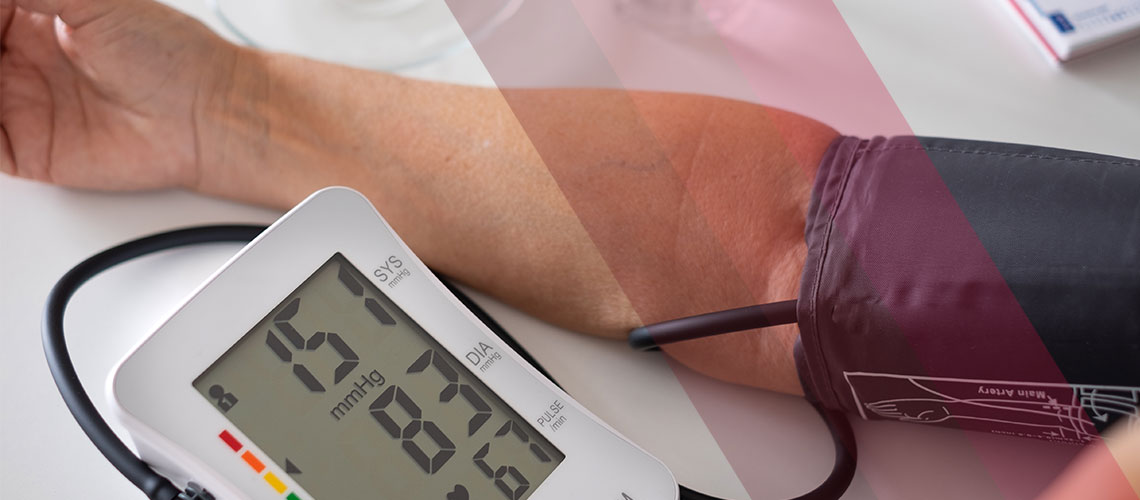
A home blood pressure monitor is one of the best tools for staying on top of your numbers between visits. Use an automatic cuff that fits your upper arm, sit quietly for five minutes first, keep both feet flat on the floor, and rest your arm on a table at heart level. Take your reading at the same time each day and write it down. Bringing a log to your appointments gives your doctor a far clearer picture than a single reading in the office.
When Medication Is Part of the Plan
Sometimes lifestyle changes are not enough on their own, and that is not a failure. Blood pressure is shaped by genetics, age, and other conditions you cannot control. If your doctor prescribes medication, take it exactly as directed and at the same time each day. Never stop a blood pressure medication on your own, even if you feel fine, because high blood pressure usually has no symptoms to warn you. There are several kinds of medication, and finding the right one, or the right combination, is something you and your doctor work out together over time. Take a moment to meet our HealthTexas doctors, the team that will manage your care.
When to Get Help Right Away
A reading higher than 180/120 is a medical emergency called a hypertensive crisis. If your blood pressure reaches that level, especially along with chest pain, shortness of breath, a severe headache, vision changes, or signs of a stroke such as weakness or trouble speaking, call 911 or go to the nearest emergency room. Do not wait for it to pass.
How Your HealthTexas Primary Care Team Helps
Managing blood pressure is not a one-time fix, it is an ongoing partnership. Your primary care doctor tracks your numbers over time, helps you build habits that fit your life, adjusts medication when it is needed, and catches small problems before they grow into big ones. That is exactly what our primary care doctors in San Antonio do every day, with locations across the area so it is easy to see a team that already knows your history.
Frequently Asked Questions
What are the worst foods for high blood pressure?
The biggest culprits are high-sodium foods: processed meats, canned soups, frozen dinners, chips, and most fast food. Salt is the main reason, so reading labels and cooking at home are two of the easiest ways to cut back.
How can I lower my blood pressure at home?
The same habits that prevent high blood pressure also lower it: less salt, more movement, a healthy weight, limited alcohol, better sleep, and less stress. A home monitor helps you see what is working.
Does coffee raise blood pressure?
Caffeine can cause a short-term spike, especially if you do not drink it often. For most people it is fine in moderation, but if your readings jump after coffee, talk with your doctor about cutting back.
Can drinking water lower blood pressure?
Staying hydrated supports healthy blood pressure, and water is a better choice than sugary or high-sodium drinks. Water by itself is not a treatment, but it is part of a heart-healthy routine.
What drink helps lower blood pressure?
Water is the top choice. Beyond that, unsweetened drinks and ones rich in potassium and magnesium, such as low-fat milk, may help. Skip high-sodium and high-sugar drinks.
Become Our Patient
Already a patient? Visit the patient portal
This article is for general education and is not a substitute for medical advice from your own doctor. If you have concerns about your blood pressure, talk with your primary care provider.
About the Author
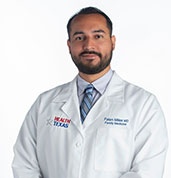
Board-Certified Family Medicine physician at HealthTexas
Dr. Falen Miles was born and raised in Belize City, Central America. He earned his medical degree from Washington University of Health and Science and completed his family medicine residency at the University of Arkansas in Fayetteville. Bilingual in English and Spanish, Dr. Miles is passionate about connecting with and caring for diverse communities.
His love of science and helping others inspired his career in medicine. He was also recognized for his dedication to education with a teaching award in 2020 for outstanding mentorship of medical students.