

Medically reviewed by Sherida Suarez, MD, Board Certified in Family Medicine at HealthTexas
The early signs of diabetes are easy to miss. The classic ones are feeling thirsty all the time, needing to urinate more than usual, running low on energy, blurry vision, and cuts that are slow to heal. Here is the part most people do not hear. Type 2 diabetes usually builds quietly over years, and prediabetes, the stage right before it, often has no symptoms at all. That is why the most important step is not waiting until you feel sick. It is knowing your risk and asking for a simple blood test. Below are the warning signs worth watching, the risk factors that matter just as much, and when to see your doctor.
Become Our Patient
Already a patient? Visit the patient portal
The Early Warning Signs of Type 2 Diabetes
When type 2 diabetes does show symptoms, these are the most common ones to watch for:
- Increased thirst that does not go away
- Urinating more than usual, especially waking up at night to go
- Feeling hungrier than normal, even after eating
- Unexplained weight loss or other weight changes
- Ongoing fatigue
- Blurry vision
- Cuts, sores, or bruises that heal slowly
- Frequent infections, such as urinary tract, yeast, or skin infections
- Tingling or numbness in the hands or feet
- Dark, velvety patches of skin, often on the neck or in the armpits
Any one of these can have another cause. But several together, or even one that lingers, is a good reason to get checked. You do not have to be certain something is wrong to ask your doctor about it.
Why Prediabetes Is the Stage That Matters Most
Prediabetes means your blood sugar is higher than normal but not yet high enough to be diabetes. More than one in three American adults have it, and most do not know, because it usually causes no clear symptoms at all.
The reason prediabetes matters so much is that it is often reversible. With the right changes, many people bring their blood sugar back into a healthy range and never develop type 2 diabetes. Your primary care team can help you get there with a realistic plan around food, activity, and modest weight loss. November is American Diabetes Month, which makes it a natural time to ask where your numbers stand. Catching diabetes at this stage is the difference between turning it around and managing a lifelong condition.
The Signs Are Easy to Miss, So Know Your Risk
Because type 2 diabetes develops slowly and prediabetes is usually silent, your risk factors matter as much as any symptom. You have a higher risk if you:
- Are 45 or older
- Have a parent or sibling with type 2 diabetes
- Are overweight, especially around the waist
- Are not very physically active
- Have high blood pressure or high cholesterol
- Had gestational diabetes, or delivered a baby over nine pounds
- Have polycystic ovary syndrome (PCOS)
- Are African American, Hispanic or Latino, Native American, or Asian American
If several of these apply to you, it is worth talking to your doctor about testing even if you feel completely fine. You can see which checks fit your stage of life in our guide to health screenings by age, and your yearly visit is a simple place to start, as we cover in what happens at an annual physical exam.
When to See Your Doctor, and What Test to Ask For
See your primary care doctor if you notice any of the warning signs above, or if you have risk factors even without symptoms. Diagnosing diabetes and prediabetes is straightforward. It is a simple blood test, usually an A1C, which reflects your average blood sugar over about three months, or a fasting blood sugar test.
Most adults should begin getting checked at age 45, and earlier if they carry risk factors. Medicare and most insurance plans cover this screening, so cost is rarely a reason to wait. If you are 65 or older, you can read how routine care fits into coverage on our Medicare Advantage plans page.
Become Our Patient
Already a patient? Visit the patient portal
How Your HealthTexas Primary Care Team Helps
The value of a primary care relationship is that we often catch these changes early, at routine visits, before they become something you can feel. We explain what your numbers mean, order the right test, and build a plan that fits your life rather than a generic checklist. Diabetes also rarely travels alone, so we keep an eye on related conditions like blood pressure and cholesterol at the same time.
You do not need to wait for a symptom to start. Knowing your risk is reason enough to book a visit with a primary care provider in San Antonio.
Frequently Asked Questions
What are the early warning signs of type 2 diabetes?
The most common early signs are increased thirst, urinating more often, extra hunger, fatigue, blurry vision, slow-healing cuts, frequent infections, and tingling in the hands or feet. Many people have mild or no symptoms at first, which is why your risk factors matter too.
Can you have diabetes or prediabetes with no symptoms?
Yes, and it is very common. Prediabetes usually causes no symptoms, and type 2 diabetes can develop for years before you notice anything. That is why a simple blood test, rather than waiting for symptoms, is the reliable way to know.
What blood test checks for diabetes?
The most common is the A1C, which shows your average blood sugar over about three months. A fasting blood sugar test or a glucose tolerance test can also be used. Your doctor will choose what fits your situation.
Can prediabetes be reversed?
Often, yes. Many people return their blood sugar to a healthy range through changes in food, activity, and modest weight loss, especially when prediabetes is caught early. Your primary care team can help you build a plan that works for you.
When should I get tested for diabetes?
Most adults should start screening at age 45, and earlier if they have risk factors such as a family history, extra weight, or high blood pressure. If risk factors apply, ask about testing even if you feel fine.
Become Our Patient
Already a patient? Visit the patient portal
This article is for general education and is not a substitute for medical advice from your own doctor. Talk with your primary care provider about your own health and before making changes to your care.
About the Author
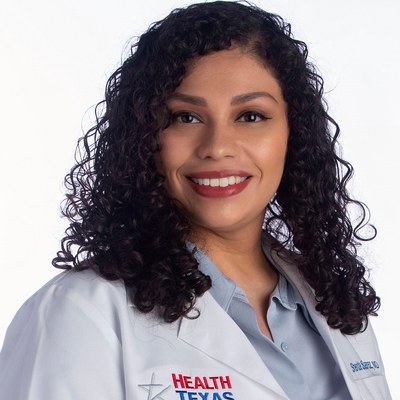
Board-Certified Family Medicine physician at HealthTexas
Dr. Sherida Suarez was born in Monterrey, Mexico, and raised in McAllen, Texas. She earned her undergraduate degree from the University of Texas-Pan American, her medical degree from McGovern Medical School, and completed her residency in McAllen, where she served as Chief Resident.
Fluent in Spanish, Dr. Suarez is passionate about compassionate, patient-centered care. Her desire to help others inspired her journey into medicine, along with her personal experience caring for her grandmother.